
Georgian Food Guide: Must-Try Dishes, Food & Where to Eat
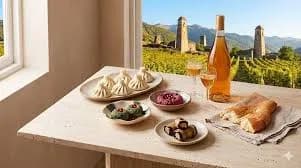
Georgian cuisine is one of the most exciting and underrated food traditions in the world. Shaped by thousands of years of history, the crossroads of European and Asian influences, and a deep reverence for hospitality, Georgian food offers flavors that surprise even the most well-traveled foodies. From cheese-filled bread fresh out of a clay oven to aromatic stews slow-cooked with walnuts and herbs, every meal in Georgia feels like a celebration.
Whether you are planning a trip to Tbilisi or exploring the wine regions of Kakheti, this Georgian food guide will walk you through the must-try dishes, the best street food, traditional feasts, and where to find the most authentic dining experiences across the country.
A Brief Introduction to Georgian Cuisine
Georgian cuisine stands apart from its neighbors thanks to a unique blend of techniques and ingredients. Walnuts, pomegranates, fresh herbs like cilantro and tarragon, and spice blends such as khmeli suneli form the backbone of many dishes. Georgian cooking also relies heavily on open-fire grilling, clay oven baking, and slow simmering, which give the food its distinctive depth of flavor.
The country's diverse geography plays a major role. In the lowland regions of Kakheti and Kartli, dishes tend to be richer and more meat-focused. In the mountainous areas of Svaneti and Tusheti, hearty breads and preserved meats take center stage. Along the Black Sea coast in Adjara, you will find more butter, cheese, and seafood-influenced plates.
Must-Try Georgian Dishes
Khachapuri: The Iconic Cheese Bread
No Georgian food guide would be complete without khachapuri. This cheese-filled bread comes in several regional varieties, each with its own character. Imeruli khachapuri is a round, pan-fried flatbread stuffed with salty Imeruli cheese. Megruli khachapuri adds an extra layer of melted cheese on top. The most famous version, Adjarian khachapuri, is shaped like a boat and filled with molten cheese, butter, and a raw egg that you mix together at the table. Every bakery and restaurant in Georgia has its own take on this beloved dish.
Khinkali: Georgia's Beloved Dumplings
Khinkali are large, pleated dumplings traditionally filled with spiced meat, herbs, and broth. The technique for eating them is an art in itself: you hold the dumpling by its twisted top knob, take a small bite from the side, sip the hot broth, and then eat the rest. The knob is typically left uneaten and placed on the plate to count how many you have consumed. Fillings range from the classic beef and pork mixture to mushroom, cheese, and potato varieties for vegetarians.
Mtsvadi: Georgian Barbecue
Mtsvadi is the Georgian answer to barbecue. Large chunks of marinated pork, beef, or chicken are skewered and grilled over grapevine embers, which impart a subtle smoky sweetness. You will find mtsvadi at every gathering and supra. It is typically served with tkemali, a tangy plum sauce that cuts through the richness of the grilled meat, along with raw onions and fresh herbs.
Pkhali: Vegetable and Walnut Bites
Pkhali is a family of cold appetizers made by finely chopping vegetables such as spinach, beets, or green beans, then mixing them with ground walnuts, garlic, vinegar, and spices. The mixture is shaped into small balls or patties and often garnished with pomegranate seeds. Pkhali showcases the Georgian talent for turning simple vegetables into complex, satisfying dishes.
Lobio: The Humble Bean Stew
Lobio is a warming bean stew seasoned with onions, garlic, coriander, and fenugreek. It is traditionally served in a clay pot with mchadi, a dense cornbread that serves as the perfect vehicle for scooping up the thick, flavorful stew. Lobio is a staple of Georgian home cooking and comfort food at its best.
Satsivi: Walnut Sauce Chicken
Satsivi is a cold dish of chicken or turkey covered in a rich, creamy walnut sauce flavored with garlic, cinnamon, cloves, and saffron. It is the centerpiece of the Georgian New Year table and one of the most refined dishes in the national repertoire. The complexity of the sauce, with its layers of spice and nuttiness, makes satsivi a truly unique culinary experience.
Georgian Street Food You Cannot Miss
Georgian street food is fast, cheap, and incredibly satisfying. In Tbilisi and other cities, you will encounter vendors selling freshly baked shotis puri, the traditional long and canoe-shaped bread pulled straight from a deep clay oven called a tone. Watching bakers slap the dough onto the interior walls of the oven is a spectacle in itself.
Kubdari, a meat-filled bread from the Svaneti region, is another street food favorite. The dough is stuffed with a mixture of spiced pork and beef, baked until golden, and served in thick slices. Churchkhela, often called Georgian Snickers, is a walnut-filled candy made by dipping strings of nuts into thickened grape juice and drying them into a chewy, naturally sweet snack. You will see them hanging in markets throughout the country.
Lobiani, a bean-filled flatbread, is the vegetarian counterpart to kubdari and a perfect quick meal on the go. And for something sweet, try gozinaki, a crunchy honey and walnut brittle traditionally prepared during the holidays.
The Georgian Supra: A Feast Like No Other
The supra is the heart of Georgian food culture. More than just a meal, it is a structured feast led by a tamada, or toastmaster, who guides the evening through a series of heartfelt toasts to family, friendship, ancestors, and the future. The table is covered with an almost overwhelming array of dishes: salads, cheeses, breads, stews, grilled meats, pickles, and sauces, all served at once.
If you are invited to a supra during your visit to Georgia, accept without hesitation. It is the most immersive way to experience Georgian hospitality and understand why food is so central to Georgian identity. Expect generous portions, excellent wine, and toasts that can go on for hours.
Georgian Wine: The Perfect Companion
Georgia is widely regarded as the birthplace of wine, with a winemaking tradition stretching back over 8,000 years. Georgian wine is unique because many producers still use the qvevri method, fermenting grape juice in large clay vessels buried underground. This ancient technique produces wines with distinctive amber colors and complex, earthy flavors, particularly the famous amber wines made from white grape varieties like Rkatsiteli and Mtsvane.
When dining in Georgia, pair your meals with local wines. Red Saperavi goes beautifully with grilled meats and hearty stews. Amber wines complement the rich flavors of walnut-based dishes and cheese. You can taste and learn about Georgian wine at countless restaurants and wine bars in Tbilisi, or visit the vineyards of Kakheti for a deeper experience.
Where to Eat in Tbilisi
Old Town and Abanotubani
The winding streets of Tbilisi's Old Town are packed with restaurants, bakeries, and wine cellars. This area is ideal for trying traditional Georgian dishes in a charming, historic setting. Look for small family-run spots tucked into side streets for the most authentic experience. Abanotubani, the sulfur bath district, also has several excellent restaurants where you can enjoy a meal after visiting the famous bathhouses.
Rustaveli Avenue and Vera
For a more modern dining scene, head to Rustaveli Avenue and the trendy Vera neighborhood. Here you will find restaurants that put a contemporary spin on Georgian classics, alongside international options. Wine bars in this area often feature excellent curated selections from small Georgian producers.
Dezerter Bazaar
For a truly immersive food experience, visit the Dezerter Bazaar near Station Square. This bustling market sells everything from fresh produce and spices to churchkhela and homemade cheeses. It is the best place to shop for ingredients, sample local snacks, and observe daily Georgian life in action.
Essential Georgian Food Tips for Travelers
Portion sizes in Georgia are generous, so order fewer dishes than you think you need and share them family-style. Bread is taken seriously and is almost always freshly baked, so try to eat it warm. Vegetarians will find plenty of options including pkhali, lobio, khachapuri, and fresh salads, though it helps to specify your dietary needs clearly at restaurants.
Tipping is appreciated but not mandatory. A 10 percent tip is standard in sit-down restaurants in Tbilisi. In smaller towns and casual eateries, rounding up the bill is sufficient. Most restaurants accept credit cards, but having some cash is useful for street food vendors and market stalls.
Georgian food is best experienced slowly and socially. Sit down, order a spread of dishes, pour some wine, and let the meal unfold at its own pace. That is the Georgian way.
Final Thoughts
Georgian cuisine is a world-class food tradition that deserves far more international recognition than it currently enjoys. From the simplicity of freshly baked puri to the complexity of satsivi and the convivial joy of a supra, every meal in Georgia tells a story. Whether you are a dedicated foodie or simply curious about new flavors, exploring Georgian food will be one of the highlights of your trip.
Plan your Georgian culinary adventure today and discover why travelers keep coming back for more.
Written by Author
Author