
Georgian Orthodox Easter Traditions: A Guide for Travelers (2026)
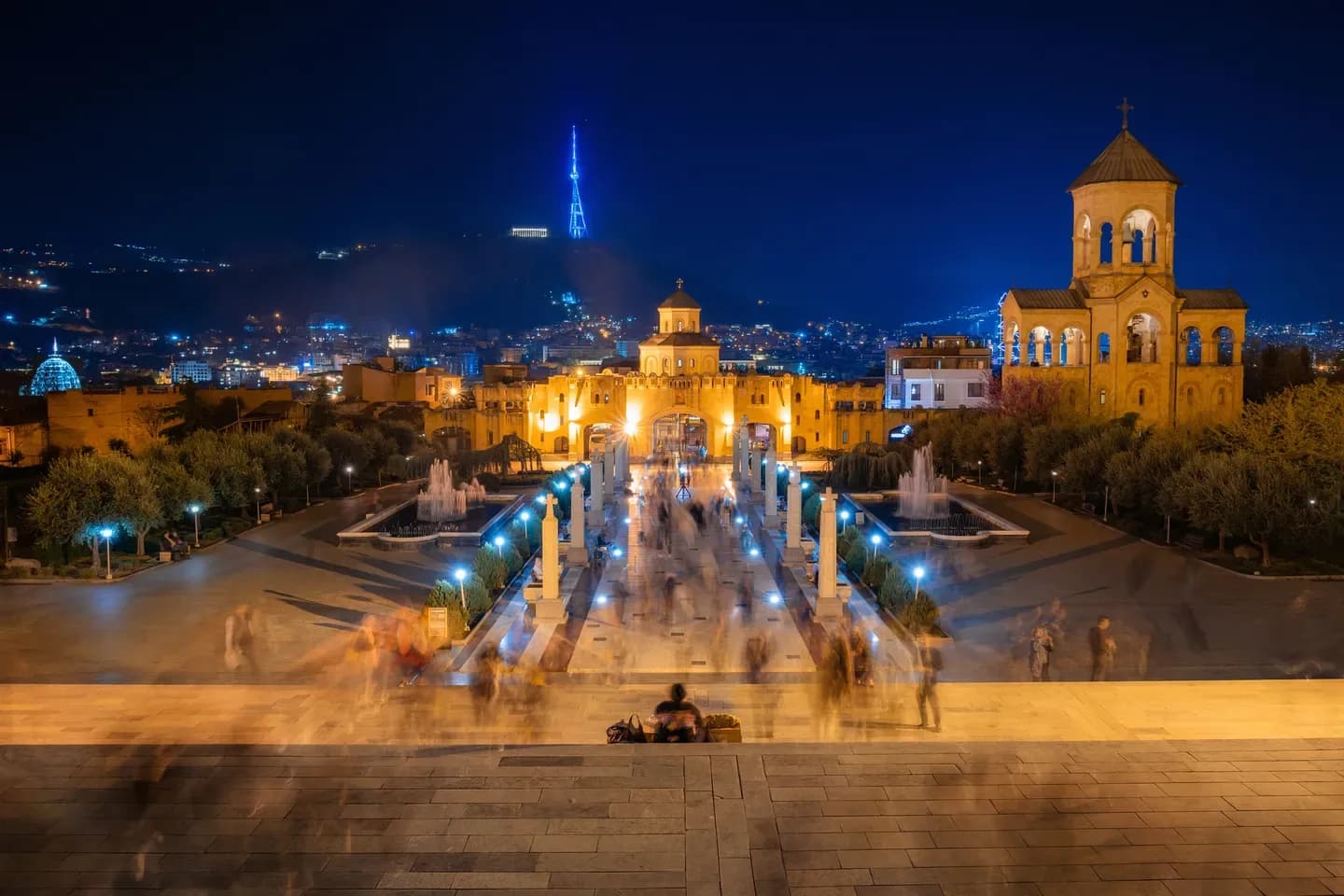
Easter, or Paskha, is the most significant religious event in Georgia. In 2026, Orthodox Easter falls on April 12, making it the perfect time to witness the country's deep-rooted spiritual heritage. For a traveler, this isn't just a holiday; it is a week-long immersion into ancient rituals, polyphonic chants, and unique culinary traditions that have remained unchanged for centuries.
The Significance of Holy Week in Georgia
The preparations begin long before Easter Sunday. The final week, known as Holy Week, is a period of strict fasting and intense devotion. If you are visiting Tbilisi or the countryside during this time, you will notice a shift in the city’s energy—it becomes more reflective and solemn. This is an ideal time to explore religious landmarks through Day Trips from Tbilisi to see how different regions prepare for the feast.
Red Eggs and Green Wheat (Jejili)
On Red Friday, every Georgian household dyes eggs deep red. The red color symbolizes the blood of Christ, while the eggs represent new life. These are often placed on a bed of vibrant green wheatgrass, called Jejili, which is grown specifically for the occasion to symbolize the victory of life over death.
The Baking of Paska
You cannot walk through a Georgian street in April without smelling the sweet, spiced aroma of Paska—the traditional Easter bread. It is a rich, brioche-like cake filled with raisins and spices like nutmeg and saffron. Every bakery in the country competes to produce the best version, but the homemade ones remain the gold standard.
Experiencing the "Liturgy of Light"
The peak of the celebration occurs on Saturday night. If you want to experience the true heart of Georgian faith, head to a cathedral like Sameba (Holy Trinity) in Tbilisi or Svetitskhoveli in Mtskheta.
Around midnight, thousands of people gather with unlit candles. The "Holy Fire" is brought from Jerusalem, and the flame is passed from person to person until the entire church is glowing. To ensure you navigate the crowds and reach these ancient sites comfortably, booking a Mtskheta, Gori, and Uplistsikhe Historical Tour can provide the necessary logistics and historical context.
Easter Sunday: The Feast and the Graveyard Tradition
After 40 days of fasting, Sunday is a day of massive celebration and excess.
The Supra (Georgian Feast)
Families gather for a massive Supra, featuring roasted lamb, Chakapuli (lamb stew with tarragon and green plums), and, of course, plenty of wine. As a visitor, being invited to an Easter Supra is a rare honor and the ultimate way to experience Georgian hospitality.
Visiting the Departed
On the Monday following Easter Sunday, Georgians visit the cemeteries to honor their deceased relatives. While this might sound somber, it is actually a celebratory tradition. People bring wine and food to the gravesites, perform a symbolic "toast" with the departed, and roll red eggs across the graves. It is a beautiful, albeit unusual, sight for many tourists.
Practical Tips for Traveling During Easter 2026
Closures: Be aware that on Easter Sunday and Monday, many museums, shops, and restaurants may be closed or have limited hours.
Dress Code: If you attend a church service, women must cover their heads with a scarf and wear a long skirt. Men should wear trousers (no shorts) and remove hats.
Crowds: Mtskheta becomes extremely crowded. To avoid the stress of local transport, consider a dedicated Mtskheta Guided Tour.
Public Transport: Expect changes in bus and marshrutka schedules during the holiday weekend.
Why You Should Visit Georgia During Easter
Visiting Georgia during the Orthodox Easter of 2026 offers a look into the "soul" of the country. It is a time when the ancient and the modern coexist perfectly. The combination of the spring bloom and the profound religious ceremonies creates an atmosphere that you won't find at any other time of the year.
Frequently Asked Questions (FAQs)
1. When is Orthodox Easter in Georgia in 2026?
In 2026, Orthodox Easter Sunday falls on April 12. The celebrations begin with Holy Week starting on April 6.
2. Can tourists attend Easter services in Georgian churches?
Yes, tourists are welcome to observe the services. However, please be respectful, stay quiet, follow the dress code, and avoid using flash photography during the rituals.
3. What is the traditional Georgian Easter food?
The main staples are Paska (sweet bread), red-dyed eggs, and Chakapuli (a fragrant stew made with lamb, tarragon, and white wine).
Written by Author
Author