
Georgia Travel Tips 2026: Visa, Insurance, Transport &Safety
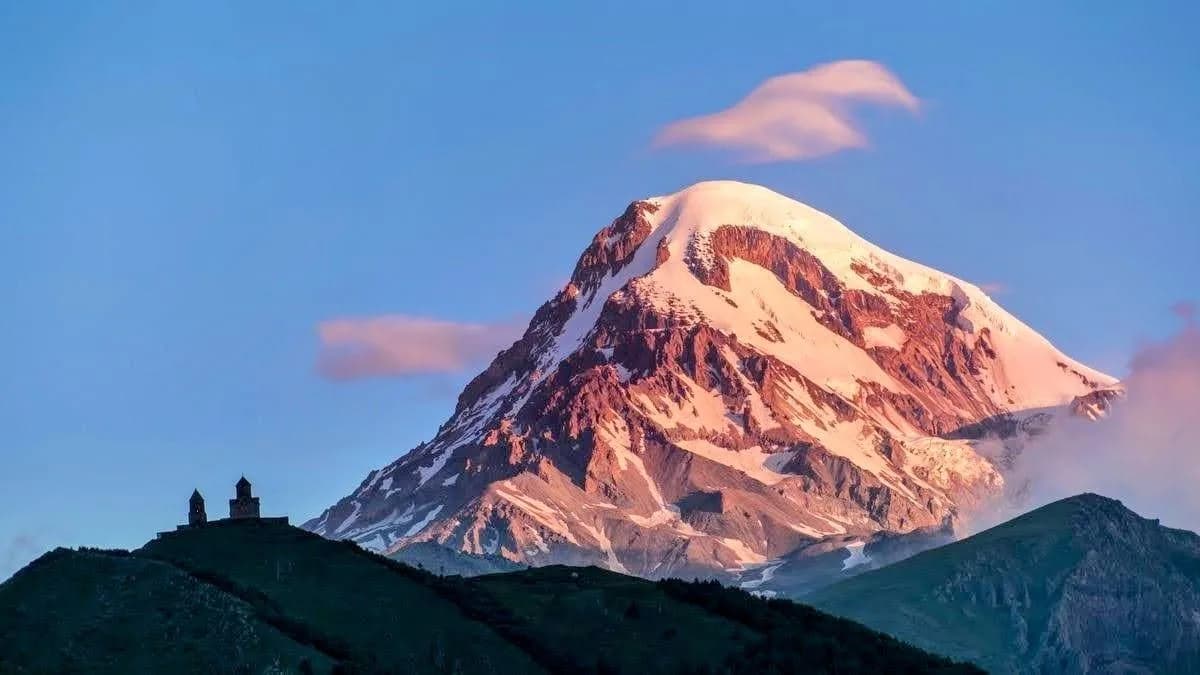
Georgia has become one of the fastest-growing tourism destinations in the Caucasus, and for good reason — affordable prices, extraordinary landscapes, legendary food and wine, and a warmth of hospitality that feels personal rather than performative. But every destination has its quirks, and knowing them in advance saves time, money, and awkward moments.
This guide covers the practical information you need for a Georgia trip in 2026, from entry requirements to getting around, with honest notes on what's changed recently.
Visa and Entry Requirements
Visa-free access: Citizens of the EU, UK, US, Canada, Australia, Israel, and many other countries can enter Georgia visa-free for up to one year. Yes, an entire year — Georgia has one of the most generous visa policies in the world.
Passport validity: Your passport must be valid for the duration of your stay. Georgia doesn't require the six-month validity buffer that some countries insist on, but checking with your airline is still wise.
Health and accident insurance (2026 update): Foreign tourists entering Georgia are now required to have valid health and accident insurance. The policy must be available in English or Georgian. Most standard travel insurance policies qualify, but confirm coverage before departure. You may be asked to show proof at the border or airport.
Getting Around Georgia
Between Cities
Marshrutkas (minibuses): The backbone of Georgian intercity transport. They're cheap, frequent on popular routes (Tbilisi–Mtskheta, Tbilisi–Gori), and depart when full rather than on a fixed schedule. Comfort levels vary.
Trains: Georgian Railways connects Tbilisi to Batumi (overnight), Zugdidi, Gori, and several other cities. The overnight train to Batumi with a first-class cabin is a particularly good experience. Note: the morning train from Tbilisi to Borjomi was cancelled in 2026, so road transport is now the only option for that route.
Taxis and ride-hailing: Bolt and Maxim are widely used across Georgia. They're affordable and eliminate negotiation. For intercity trips, agree on a price before departing.
Car rental: Available in Tbilisi and Batumi. Georgian driving can be assertive, and mountain roads demand confidence. International driving permits are accepted.
Organized tours: For destinations with limited public transport — Kazbegi, Kakheti wineries, David Gareja, Tusheti — guided tours solve the logistics problem entirely.
Within Cities
Tbilisi's metro is cheap and covers major areas. Batumi is compact enough to walk or cycle. Both cities have reliable ride-hailing.
Money and Costs
Currency: Georgian Lari (GEL). As of 2026, 1 USD ≈ 2.7 GEL, 1 EUR ≈ 2.9 GEL. Exchange rates fluctuate, so check before your trip.
ATMs: Widely available in all cities and most towns. Bank of Georgia and TBC Bank ATMs are the most common and accept international cards.
Card payments: Visa and Mastercard are accepted in most Tbilisi and Batumi restaurants, hotels, and shops. In smaller towns and rural areas, cash is still essential. Always carry some lari when heading on day trips.
Budget expectations: Georgia remains one of Europe's most affordable destinations. A meal at a good restaurant costs 25–40 GEL ($9–15), a bottle of wine at a winery 15–40 GEL ($5–15), a day tour from Tbilisi 70–130 GEL ($25–50), and mid-range hotels run 150–300 GEL ($55–110).
Tipping: Not mandatory but appreciated. Rounding up restaurant bills or leaving 10% is common in tourist-oriented restaurants. Tour guides appreciate tips for good service.
Safety
Georgia is one of the safest countries in Europe for tourists. Violent crime against visitors is extremely rare, and petty crime (pickpocketing, bag snatching) is far less common than in most European capitals.
Road safety deserves attention. Georgian driving style is more aggressive than most Western visitors are used to, and mountain roads — while scenic — can have steep drops, limited guardrails, and livestock on the pavement. This is a strong argument for using experienced tour drivers rather than self-driving on mountain routes like the Georgian Military Highway.
Natural hazards: Mountain weather changes rapidly, especially around Kazbegi and in the Greater Caucasus. Altitude, UV exposure, and sudden temperature drops are real considerations on mountain day tours.
Solo female travel: Georgia is generally safe for solo female travelers. Conservative dress at religious sites (covering shoulders and head at churches) is expected but easy to manage.
Language
Georgian has its own unique alphabet and language — one of the oldest in the world. In tourist areas of Tbilisi and Batumi, English is widely spoken, especially by younger Georgians working in hospitality.
In rural areas, English is less common. Learning a few Georgian phrases goes a long way: Gamarjoba (Hello), Madloba (Thank you), Ara (No), Gaumarjos (Cheers, used during toasts).
Cultural Etiquette
Religious sites: Georgia is a deeply Orthodox Christian country. Cover your shoulders and knees when entering churches. Women should cover their heads — most churches provide scarves at the entrance. Photography inside churches varies — look for signs or ask.
Hospitality: If a Georgian invites you into their home, expect to be overwhelmed with food and wine. Refusing food can be mildly offensive — eat a little of everything, even if you're full.
Toasting: During meals with wine, wait for the tamada (toastmaster) to propose toasts. Drinking between toasts is not traditional. Even if you don't drink alcohol, participating in the toast itself (raising your glass) is appreciated.
Packing Essentials
Georgia's diverse geography means packing for multiple climates: layers (even in summer for mountain destinations), comfortable walking shoes, sun protection, a head covering for women visiting churches, a reusable water bottle (tap water in Tbilisi is safe to drink), and a European-style two-pin power adapter (Type C/F).
When to Go
The best time to visit Georgia depends on your priorities. May–June brings spring flowers and comfortable temperatures. July–August is best for mountain hiking and Batumi beach season. September–October offers wine harvest, golden light, and ideal temperatures. November–March is budget season with ski opportunities.
Frequently Asked Questions
Is Georgia in Europe or Asia?
Geographically, Georgia sits at the crossroads of Eastern Europe and Western Asia, along the southern Caucasus mountains. Culturally and politically, Georgia identifies with Europe and is an EU candidate country.
Is the tap water safe in Georgia?
In Tbilisi and major cities, tap water is safe to drink. In rural areas, bottled water or filtered water is recommended.
Do I need vaccinations for Georgia?
No specific vaccinations are required. Standard travel vaccinations (hepatitis A, tetanus) are recommended. Check with your doctor before travel.
Can I use US dollars or euros in Georgia?
Some hotels and tour companies quote prices in USD or EUR, but all payments within Georgia are in Lari. Exchange offices in Tbilisi offer competitive rates — avoid airport exchange counters.
Planning your Georgia trip? Let us handle the logistics. Browse our tours or request a custom itinerary — we'll build a trip tailored to your interests, pace, and budget.
Written by Author
Author