
Top 10 Things to Do in Tbilisi: A First-Timer's Guide
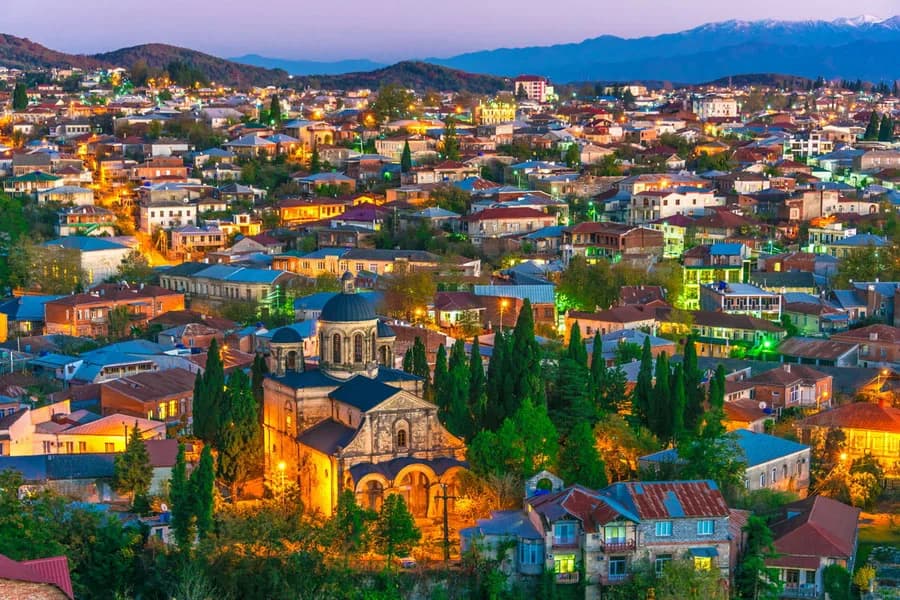
Tbilisi doesn't ease you in — it pulls you straight into narrow cobblestone lanes where carved wooden balconies lean over your head, sulfur steam rises from bathhouse domes, and a meal at any family restaurant feels like someone's grandmother personally decided you weren't eating enough.
The Georgian capital has been rebuilt countless times after invasions, earthquakes, and fires, and that layered history shows in every neighborhood. Persian-influenced architecture stands beside Art Nouveau facades, Soviet blocks frame ancient churches, and brand-new glass-and-steel structures add another chapter. This guide covers the best things to do in Tbilisi, organized to help first-time visitors get the most from two or three days in the city.
1. Walk Through the Old Town (Abanotubani to Shardeni Street)
Start at the sulfur baths in Abanotubani — the brick-domed buildings that gave Tbilisi its name (from "tbili," meaning warm). You don't need to go inside to appreciate the architecture, though booking a private bath is a quintessentially Tbilisi experience.
From here, wander uphill through the narrow streets toward Shardeni and Erekle II streets, where cafés, wine bars, and galleries cluster together. The walk takes you past the Sioni Cathedral, the Anchiskhati Basilica (Tbilisi's oldest surviving church), and countless wooden balconies that define the city's visual identity.
2. Ride the Cable Car to Narikala Fortress
The aerial tramway from Rike Park crosses the Mtkvari River and climbs to Narikala Fortress, a 4th-century citadel that offers the single best panoramic view of Tbilisi. The fortress walls are partially restored, and you can walk along the ramparts to see the city spread out below — the Old Town to the left, the modern glass Peace Bridge ahead, and the Mtkvari River threading through the center.
The giant aluminum statue of Kartlis Deda (Mother of Georgia) stands nearby, holding a sword in one hand and a wine bowl in the other — the city's way of saying it welcomes friends and fights enemies.
3. Explore the Dry Bridge Market
Every morning, vendors spread their goods across the bridge and adjacent park: Soviet medals, old cameras, oil paintings, silver jewelry, antique carpets, vinyl records, and curiosities that defy categorization. It's part flea market, part open-air museum, and the best place in Tbilisi for unique souvenirs.
Bargaining is expected but keep it friendly — most vendors are individuals, not commercial operations. The market is busiest and most interesting on weekends.
4. Visit the Georgian National Museum
The museum's permanent collection spans Georgia's entire history, but the standout exhibits are the Treasury — holding goldwork from the pre-Christian kingdom of Colchis — and the Soviet Occupation exhibit, which documents Georgia's 70-year experience under Soviet rule through photographs, documents, and personal accounts.
Allow 90 minutes to two hours. The museum sits on Rustaveli Avenue, Tbilisi's main boulevard, which is worth a walk in its own right for its theaters, bookshops, and the ornate Parliament building.
5. Eat Your Way Through Georgian Cuisine
Tbilisi is one of those cities where food is a genuine attraction rather than a sideline. Start with the essentials:
Khachapuri — cheese-filled bread in various regional styles. Try the Adjarian version (boat-shaped, with an egg and butter melting on top) at least once.
Khinkali — soup dumplings filled with spiced meat, cheese, or mushrooms. Eating them correctly (by the twisted top, tilted to drink the broth first) is a skill worth mastering.
Churchkhela — walnut strings dipped in concentrated grape juice and dried. They hang in markets like colorful candles and taste somewhere between candy and fruit leather.
For street food, head to the area around Meidan Square. For a sit-down supra-style meal with multiple courses and toasts, any restaurant in the Sololaki neighborhood will deliver.
6. Soak in a Sulfur Bath
The sulfur baths are more than a tourist experience — Tbilisi residents have been coming here for centuries. The naturally heated, mineral-rich water is genuinely therapeutic, and a private room with a scrub-down massage (known as kisi) leaves you feeling rebuilt.
Prices range from 30 GEL for a basic public session to 150+ GEL for a private room. Weekday mornings are the quietest times to visit.
7. Walk or Cycle Along the Mtkvari River
The river promenade connects several of Tbilisi's key landmarks — Rike Park (with its piano-shaped building), the Peace Bridge (a glass-and-steel pedestrian bridge that lights up at night), the Metekhi Church on its cliff, and the Dry Bridge Market area.
Bike rentals are available near Rike Park, and the path is flat enough for casual cycling. Evening walks along the river, when the Old Town lights up against the hillside, are particularly atmospheric.
8. Take the Funicular to Mtatsminda Park
The funicular railway climbs from Chonkadze Street to Mtatsminda — the mountain that overlooks the city center. At the top, a public park offers rides, restaurants, and what many consider the most impressive viewpoint in Tbilisi. The TV tower and the restaurant at the summit are visible from almost anywhere in the city.
On clear days, the Caucasus mountains are visible on the horizon. The funicular ride itself, through a tunnel carved in the mountainside, is part of the experience.
9. Discover Street Art in Fabrika
Fabrika is a converted Soviet sewing factory that's become Tbilisi's creative hub — part hostel, part coworking space, part courtyard gathering spot surrounded by cafés, bars, and shops. The surrounding neighborhood in Marjanishvili is where Tbilisi's street art scene is most concentrated, with murals covering entire building facades.
Even if you're not staying at Fabrika, the courtyard is worth a visit for a coffee and a sense of where Tbilisi's younger creative scene gravitates.
10. Wine Tasting in Tbilisi
You don't need to leave the city to explore Georgian wine. Tbilisi has dozens of wine bars, cellars, and tasting rooms where you can try wines from every region of the country.
Look for bars that specialize in natural and qvevri wines — these tend to have the most interesting selections and knowledgeable staff. Several spots in the Sololaki and Old Town neighborhoods offer guided tastings with food pairings.
If a city tasting sparks your curiosity, a full Kakheti wine tour from Tbilisi takes you to the source — where the grapes grow and the qvevri are buried.
Beyond the City: Day Trips Worth Adding
Two days in Tbilisi covers the highlights above. With additional days, the surrounding region opens up dramatically. The most popular day trips from Tbilisi include mountain scenery along the Georgian Military Highway, the ancient heritage of Mtskheta, and the cave cities at Uplistsikhe.
Practical Tips for Tbilisi
Getting around: The metro is cheap and covers the main areas. Bolt (ride-hailing) is widely used and affordable. Walking is the best way to explore the Old Town.
Money: Georgian Lari (GEL). Cards are widely accepted in restaurants and shops, but carry cash for markets and small vendors.
Language: Georgian is the primary language, but English is widely spoken in tourist areas, especially by younger Georgians. Restaurant menus typically have English translations.
Safety: Tbilisi is remarkably safe for a capital city. Petty crime is low, and walking at night in central areas is generally comfortable.
Frequently Asked Questions
How many days do I need in Tbilisi?
Two full days cover the main city attractions. Three days allow for a more relaxed pace plus one day trip.
Is Tbilisi expensive?
Tbilisi is one of Europe's most affordable capitals. A good restaurant meal costs $8–15 per person, a private sulfur bath runs $15–30, and a day tour averages $25–50. Accommodation ranges from $15 hostels to $150 boutique hotels.
What's the best time to visit Tbilisi?
Spring (April–June) and autumn (September–October) offer the most pleasant weather. Summers are hot (35°C+), and winters are mild but gray.
Is Tbilisi walkable?
The Old Town and central areas are very walkable, though hilly. Comfortable shoes are essential — cobblestone streets and uphill walks to viewpoints are part of the experience.
Want to see what lies beyond the city? Browse our day tours from Tbilisi — mountain, wine, heritage, and adventure excursions with local guides who know every hidden corner.
Written by Author
Author